Projects Details
Resilient Watershed & Eco restoration project
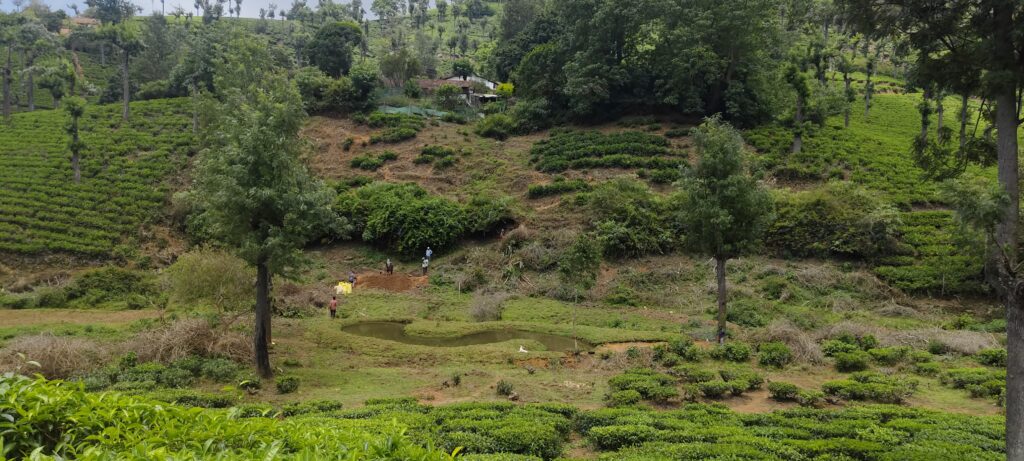
We are currently executing a pioneering large-scale watershed and ecological restoration projects in a commercial plantation in the vicintity of Conoor, Nilgiris.
Spanning large acreage in the Nilgiris mountains, this unique initiative represents a bold and forward-looking commitment to restoring ecological balance, hydrological stability, and climate resilience across a high-altitude tea landscape. In partnership with TopHills 77 Foundation, the Plantation has embarked on tackling critical challenges—soil erosion, slope instability, aggressive invasive species, recurrent droughts, loss of biodiversity and declining groundwater—issues that shape both biodiversity conservation and the long-term productivity of the estate.
Grounded in rigorous ecological and hydrological assessments, the project is guided by a Resilient Watershed Management Strategy.
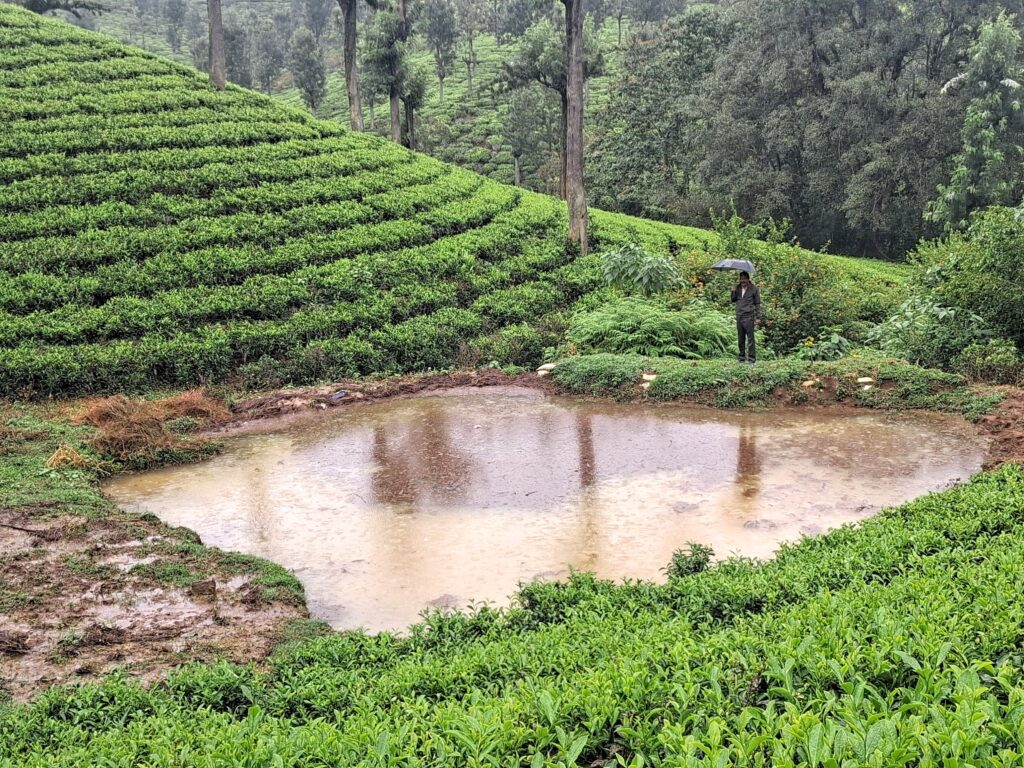
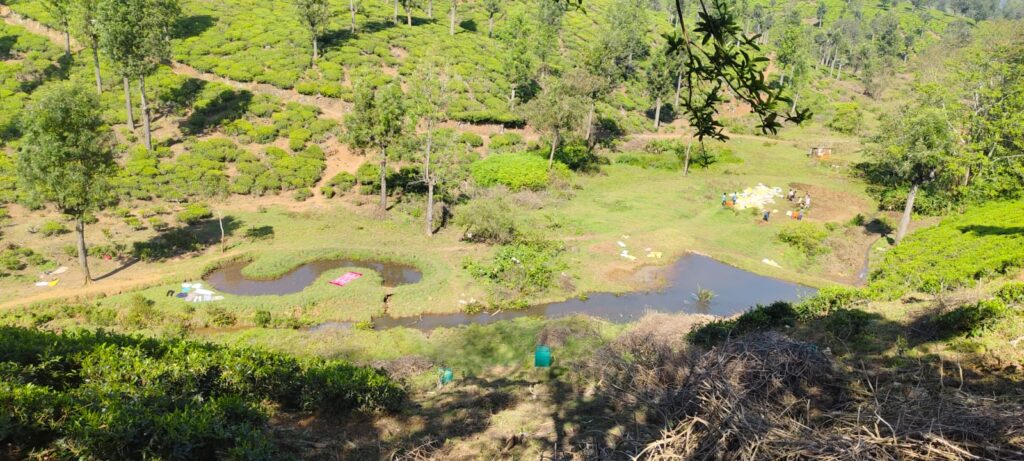
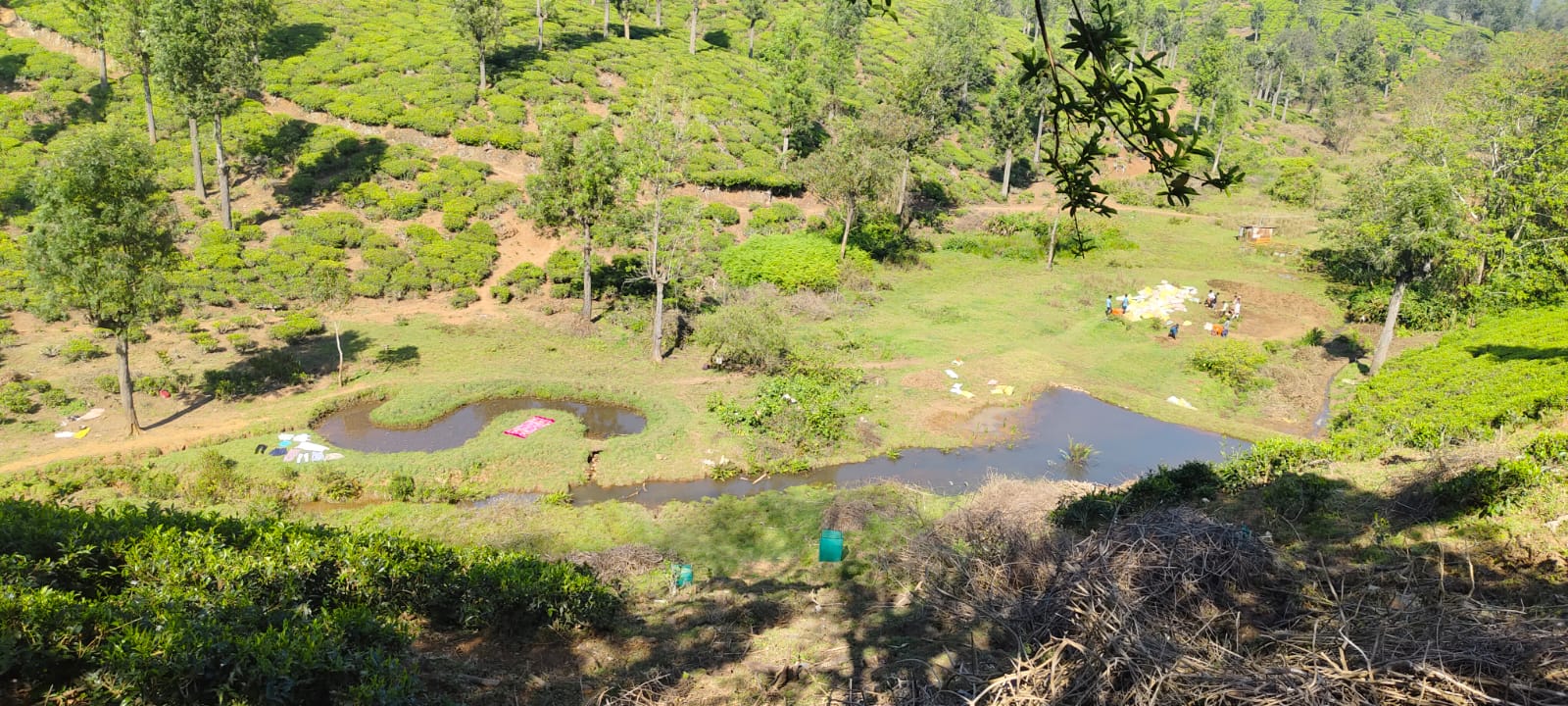
A central ambition of the initiative is to enhance both surface and groundwater potential, strengthening the plantation’s water security—a critical need in an era of unpredictable rainfall and climate change. Improved infiltration, optimized water retention, and restored natural flow pathways aim to secure reliable water availability for both ecological processes and agricultural productivity.
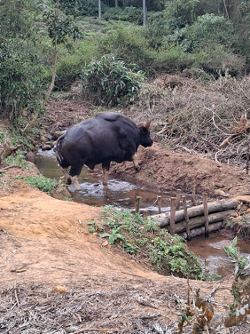
The project places strong emphasis on invasive species removal, reversing decades of ecological displacement and soil as well as slope degradation. In their place, native shola species and diverse grassland communities are being re-established, restoring heterogeneous habitats that support pollinators, soil organisms, and other keystone biodiversity. This regeneration strengthens slope stability, enriches soil health, improves hydrology, and rebuilds the ecological mosaic characteristic of the Western Ghats.
By combining strategic planting initiatives as well as Assisted Natural Regeneration (ANR) with field-based watershed interventions, the initiative holistically addresses drought risk, landslides, fragmented habitats, and long-term climate vulnerability. Its learn–study–develop–demonstrate framework embeds a culture of continuous observation, innovation, and refinement.
Over time, this partnership-driven effort is poised to become a replicable model of climate-smart land stewardship—one where restored ecological processes and biodiversity, secure water resources, and productive land use coexist seamlessly. It reflects a shared commitment to safeguarding the Nilgiris’ natural heritage while enabling resilient livelihoods and thriving landscapes for generations to come.
Ecological Restoration
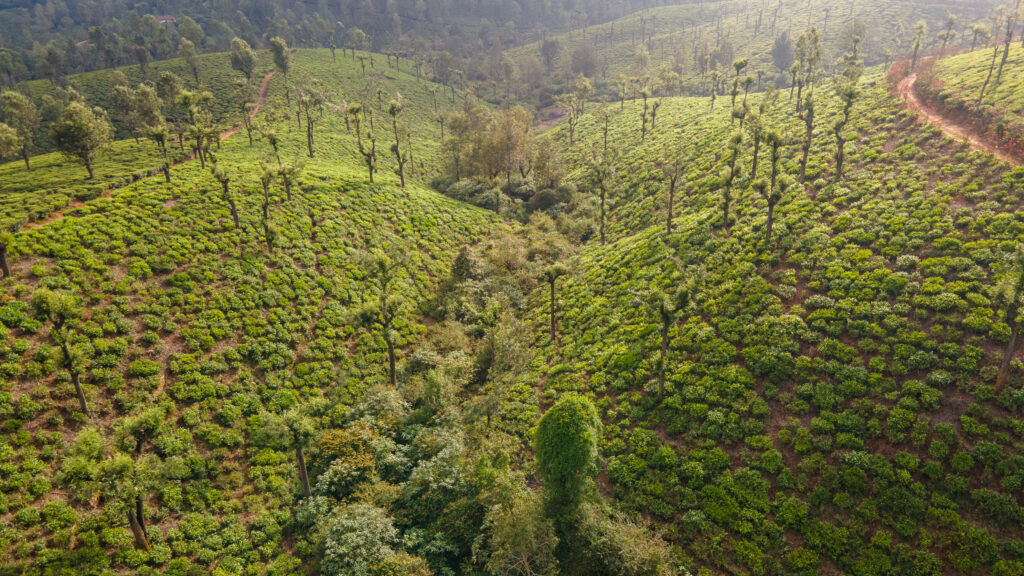
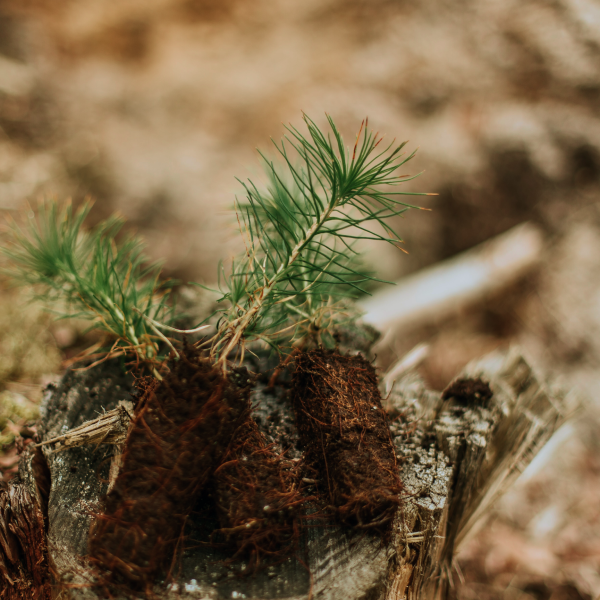
The project places strong emphasis on invasive species removal, reversing decades of ecological displacement and soil as well as slope degradation. In their place, native shola species and diverse grassland communities are being re-established, restoring heterogeneous habitats that support pollinators, soil organisms, and other keystone biodiversity. This regeneration strengthens slope stability, enriches soil health, improves hydrology, and rebuilds the ecological mosaic characteristic of the Western Ghats.
By combining strategic planting initiatives as well as Assisted Natural Regeneration (ANR) with field-based watershed interventions, the initiative holistically addresses drought risk, landslides, fragmented habitats, and long-term climate vulnerability. Its learn–study–develop–demonstrate framework embeds a culture of continuous observation, innovation, and refinement.
Watershed Management
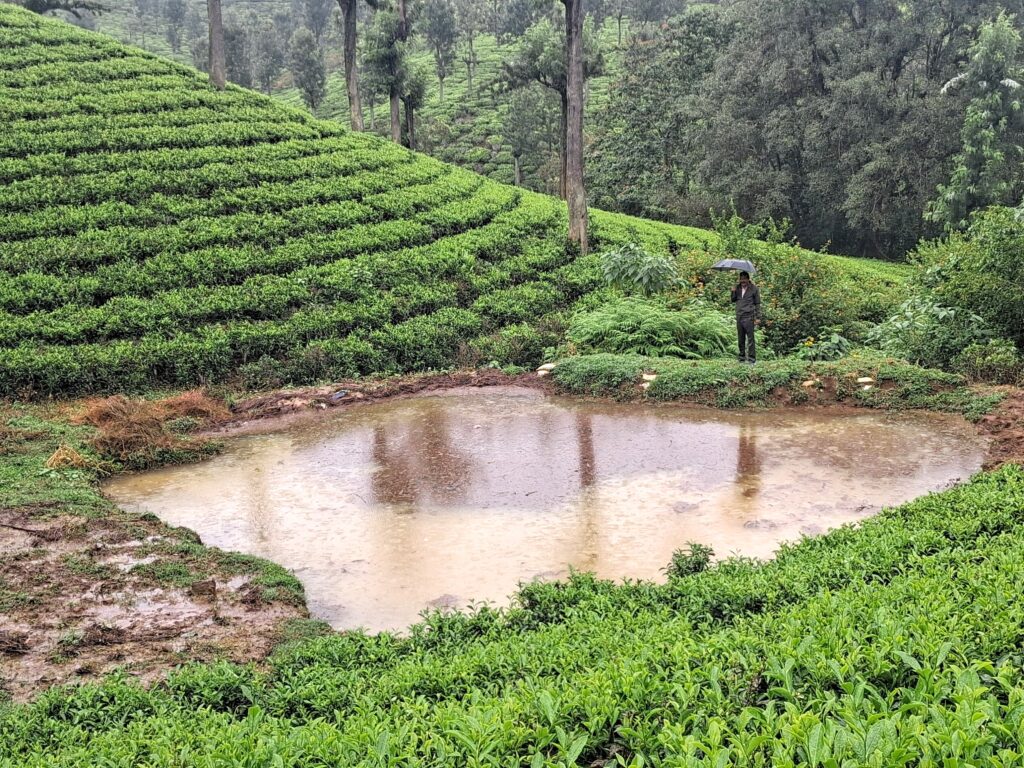
A central ambition of the initiative is to enhance both surface and groundwater potential, strengthening the plantation’s water security—a critical need in an era of unpredictable rainfall and climate change. Improved infiltration, optimized water retention, and restored natural flow pathways aim to secure reliable water availability for both ecological processes and plantation productivity.
Key Highlights
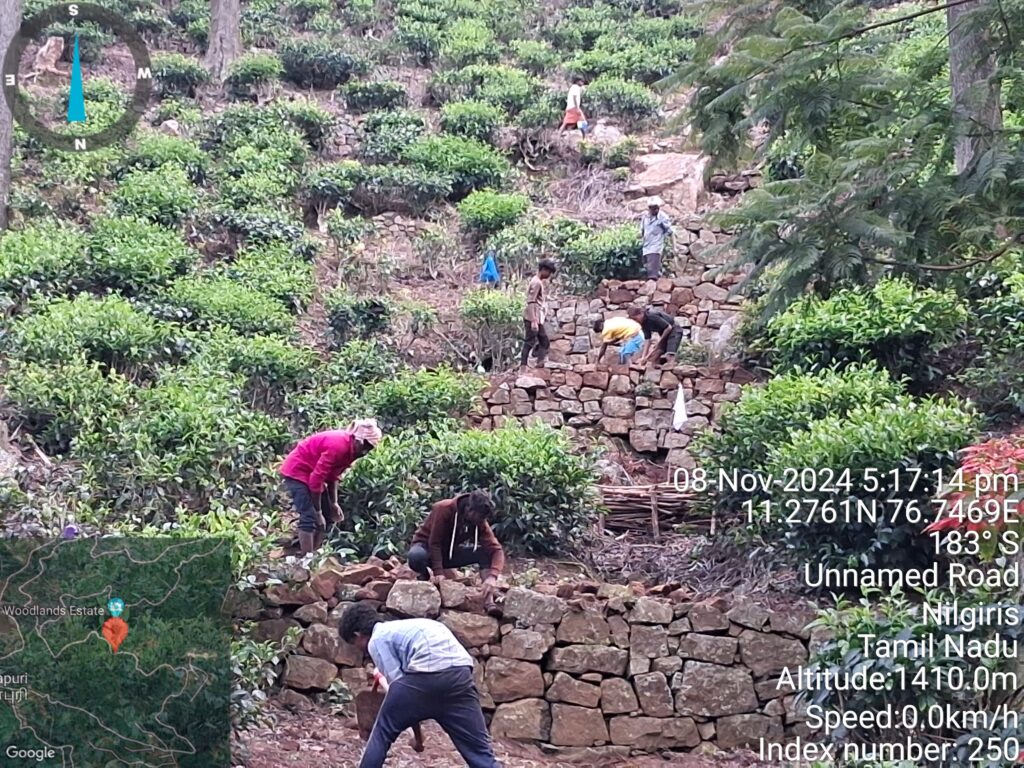
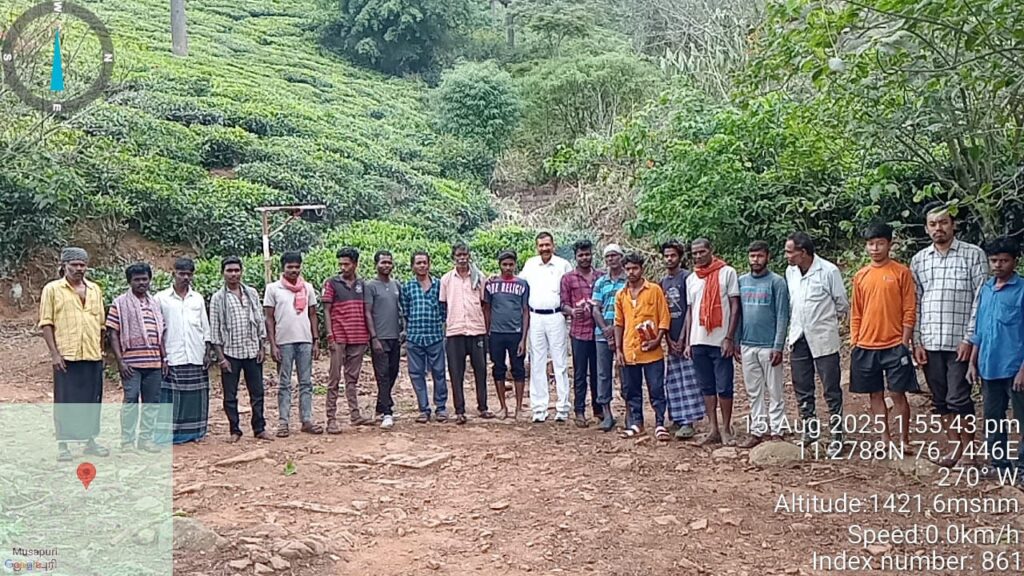
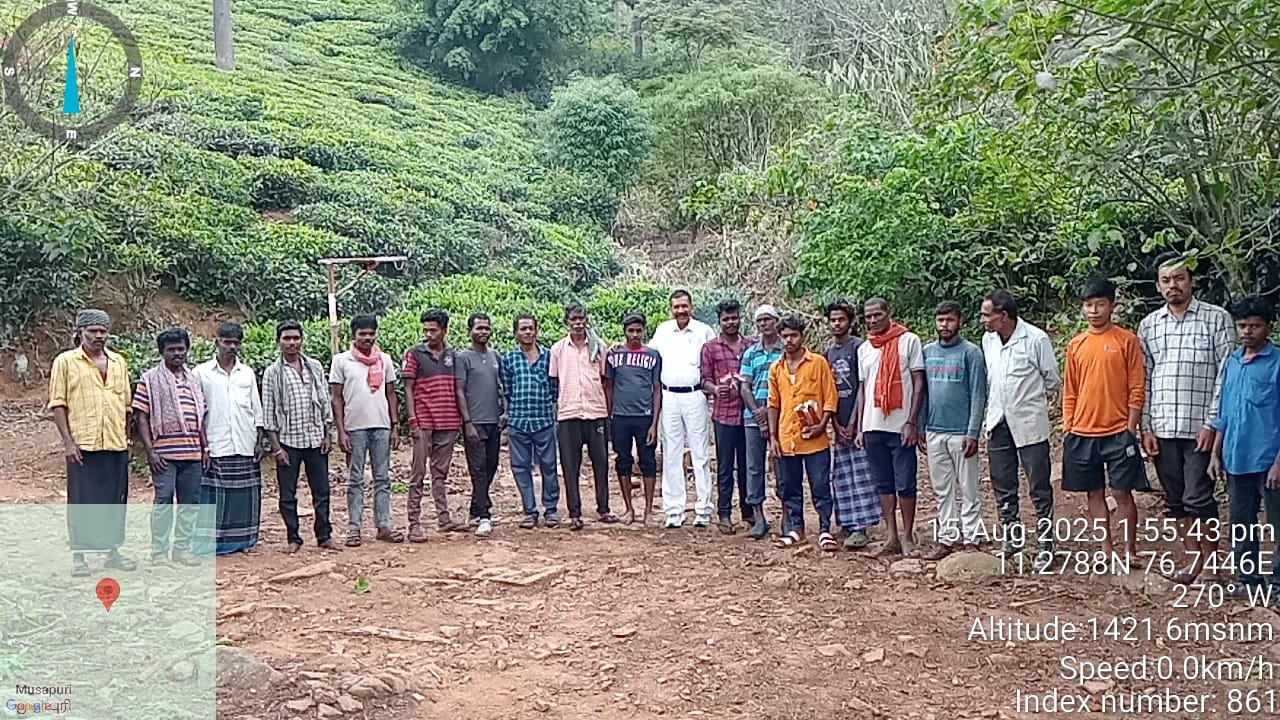
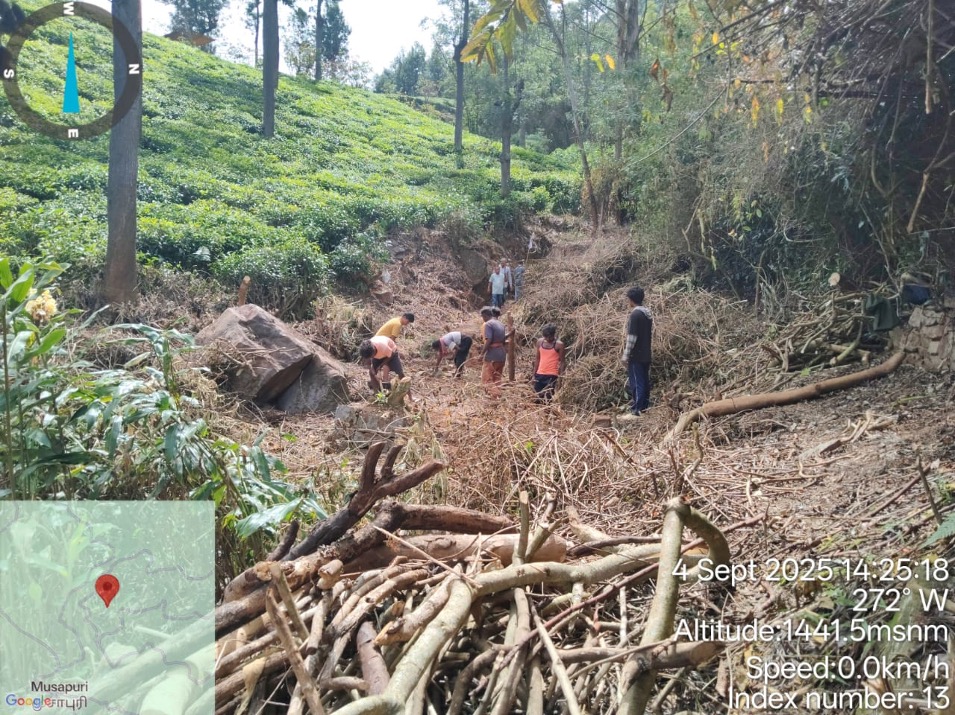
Employment: Tribal (Adivasi) labour trained in watershed construction and invasive management. Over 20 tribal youth labor are fully employed through the year and we are working on a plan to increase the strength to 40.
Duration: Around 4–5 years
Restoration Area: 325 acres
Riparian Zones Restored: 55 km
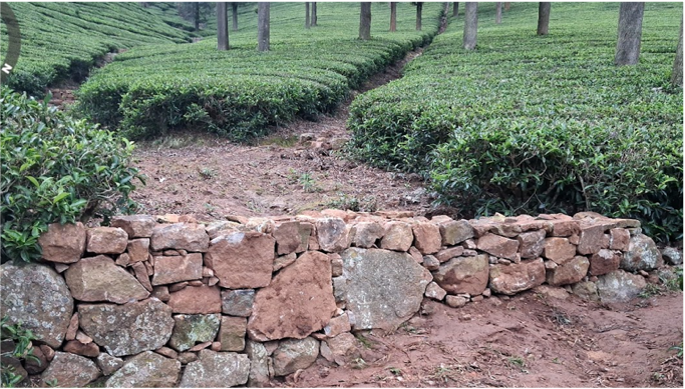
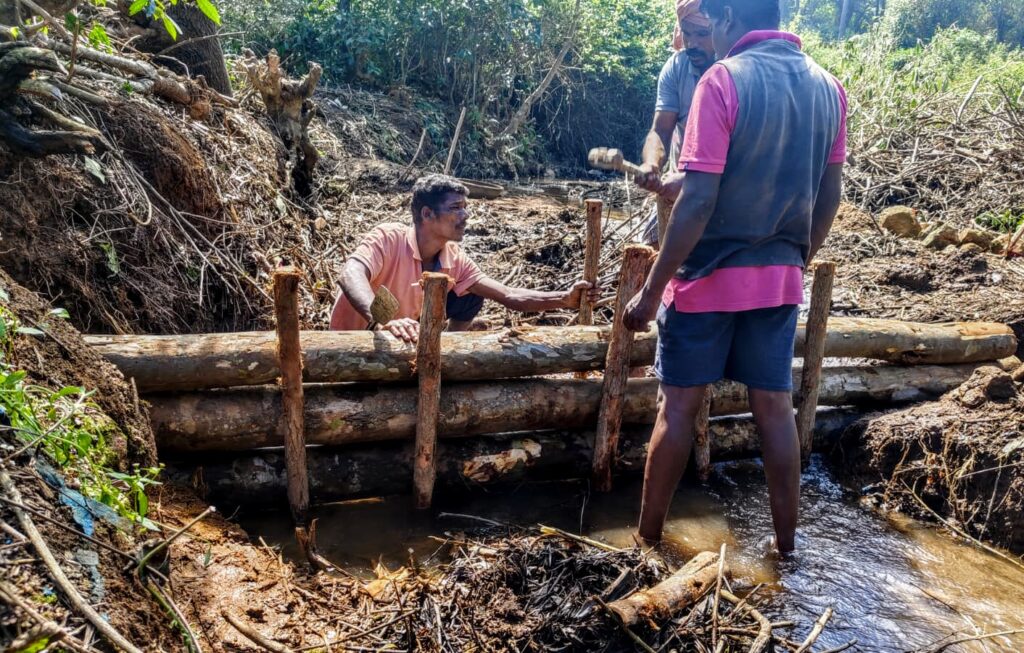
Watershed Interventions : Around 6000 interventions using Biomass, Logs, Stones, Earthern bunds
Invasive Removal: 200 acres cleared
Native Plantings: 200 acres of grass and shrubs as well as 26,000 native trees will be planted
Water Treatment: Phyto remediation system to treat grey water
Photos