Restoring native grasses, trees and watershed in the Nilgiris landscape
Restoring shola forests, grasslands, and watersheds to bring life back to the Nilgiris landscape.
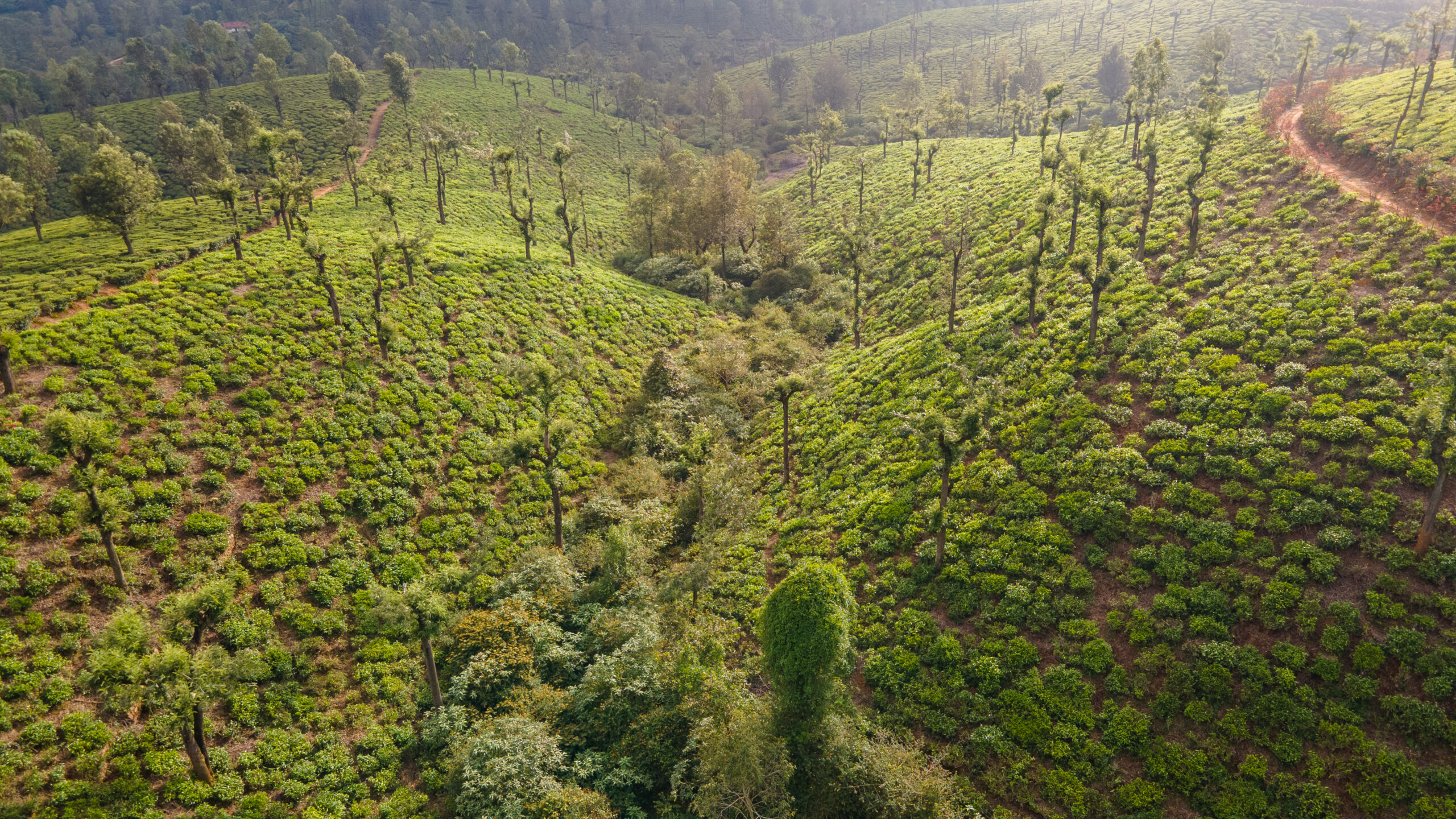
Ecological restoration lies at the heart of TopHills77’s mission. In the Nilgiris landscape, decades of ecological change and the widespread invasive species and exotics have altered native ecosystems, degraded soil quality, adversely impacted watershed and reduced biodiversity. Our work focuses on restoring these degraded landscapes by reviving native shola forests, regenerating montane grasslands, and strengthening watershed systems. Through science-based restoration and community participation, we aim to rebuild resilient ecosystems that support both biodiversity and local livelihoods.
Why Ecological Restoration Matters
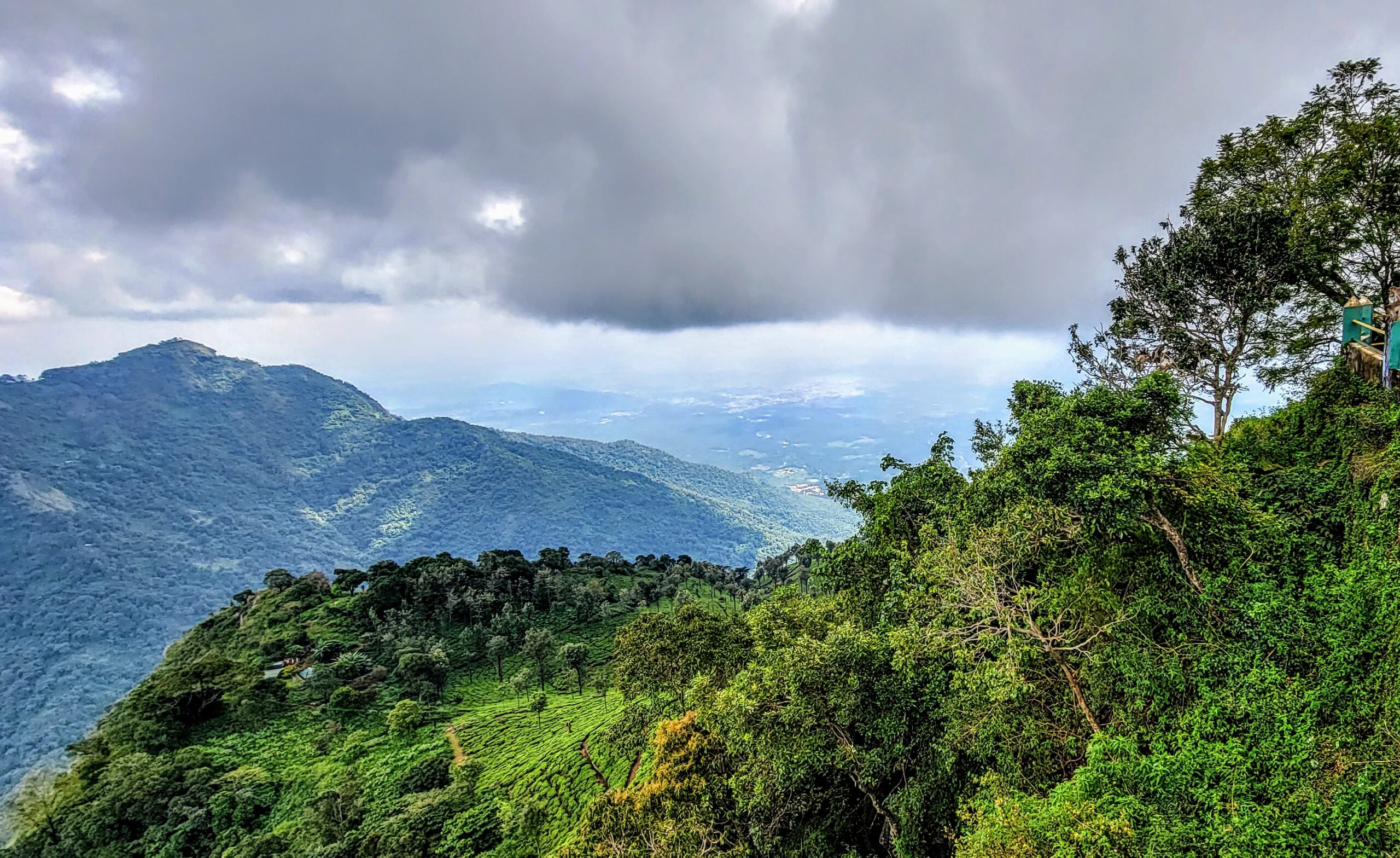
The Nilgiris form part of the Western Ghats, one of the world’s most significant biodiversity hotspots. Native shola forests and grasslands play a vital role in regulating water systems, supporting diverse wildlife, and maintaining ecological balance. However, large areas have been affected by invasive species, habitat fragmentation, and land-use changes.
Restoration is essential not only for biodiversity conservation but also for sustaining water security, soil health, and climate resilience across the region.
Our Restoration Approach
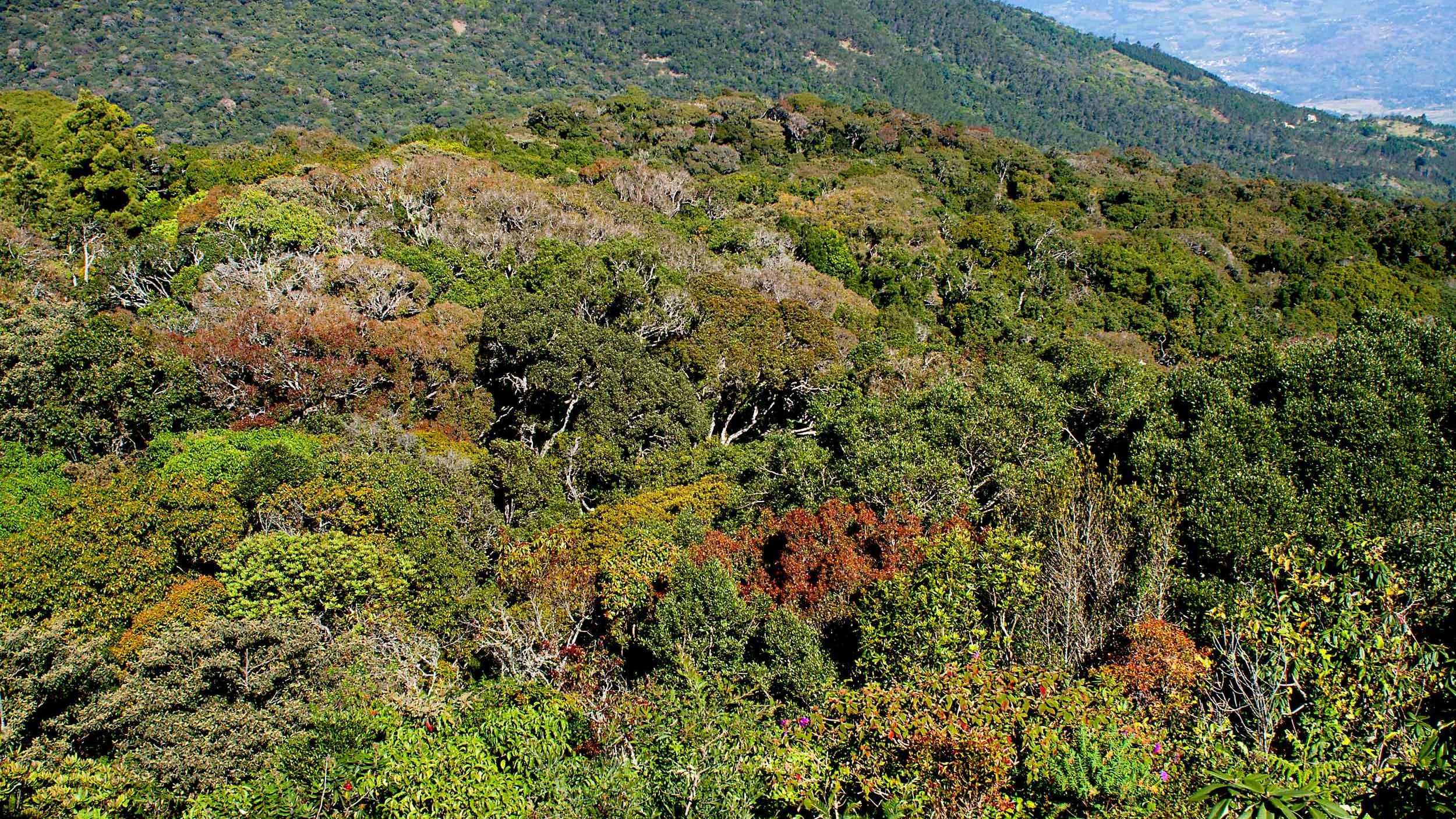
At TopHills77, ecological restoration follows a scientific and nature-based approach. Our work includes the removal of invasive species, regeneration of native vegetation, and the revival of natural ecological layers such as ground cover, shrubs, sub-canopy, and canopy trees.
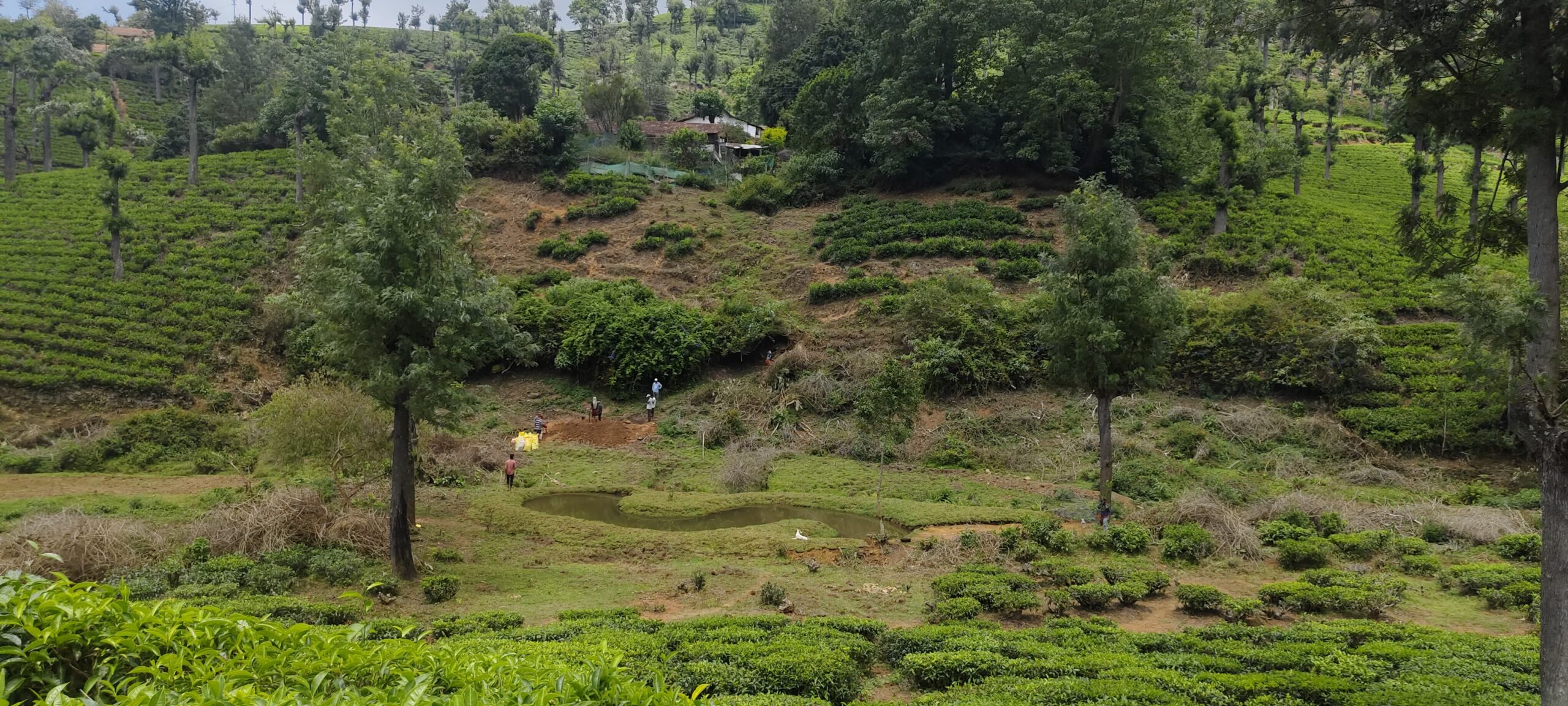
We emphasize low-impact and labour-intensive restoration methods that involve local communities, ensuring that restoration efforts also generate meaningful livelihood opportunities.
Key Areas of Work
Shola Forest Restoration
Reviving native shola forests by restoring indigenous plant species and rebuilding natural forest structure.
Grassland Regeneration
Restoring montane grasslands that play a crucial role in water regulation and biodiversity support.
Invasive Species Removal
Managing and removing invasive species that disrupt native ecosystems and suppress biodiversity.
Watershed Recovery
Strengthening soil moisture and water systems through ecological restoration practices.
Community Participation
A central element of our restoration work is community participation. By engaging local communities in restoration activities, we create employment opportunities while building awareness about ecological conservation. This approach ensures that restoration efforts are sustainable and rooted in local stewardship.
Long-Term Vision
Our vision is to contribute to the long-term recovery of the Nilgiris landscape by restoring native ecosystems and strengthening the relationship between communities and nature. Through sustained ecological restoration, we aim to ensure that these landscapes continue to support biodiversity, water systems, and local livelihoods for generations to come.